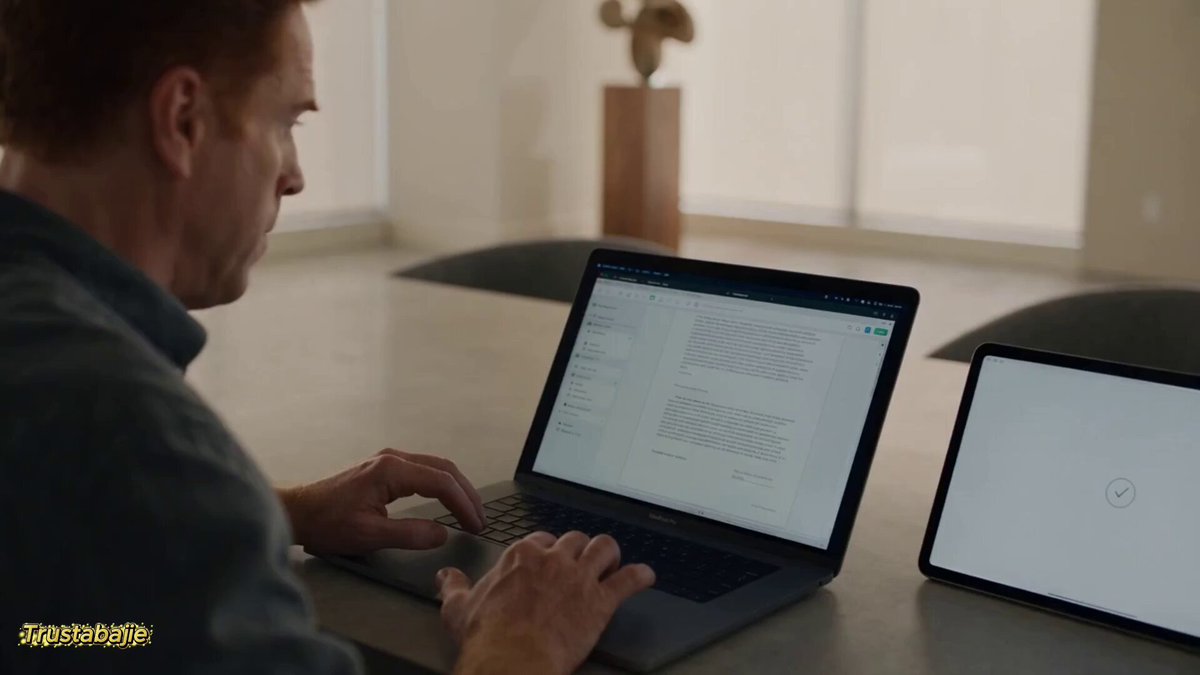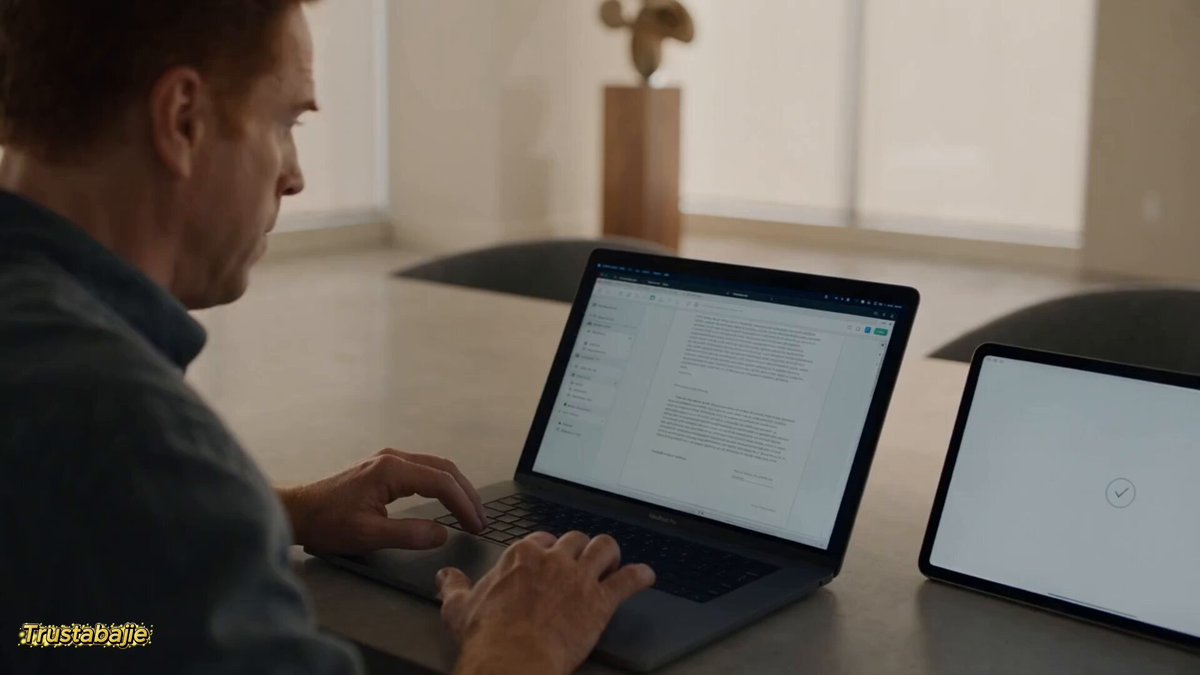

What if your data could be used for calculations without being revealed to the person performing them? That is the idea behind Fully Homomorphic Encryption (FHE). Let's use a simple example. Imagine a company needs to calculate the average salaries of its employees. The company needs the final result, but individual employees may not want their salaries exposed to whoever performs the calculation. With conventional approaches, protecting the information while processing it can be challenging. FHE offers another possibility. The data can remain encrypted while computations are performed on it. The authorised recipient can then decrypt the result, subject to how the system is designed. In simple terms, the calculation can happen without the person performing it needing to see the original information. Now, where does @primus_labs come in? Primus is developing zkFHE, which combines Fully Homomorphic Encryption with zero-knowledge proof techniques. The goal is not only to compute on encrypted information but also to provide cryptographic evidence that the computation was carried out correctly. Why does that distinction matter? Keeping data encrypted addresses confidentiality. Verifying the computation addresses a different concern: whether the result was produced correctly. Both are important when applications need to work with sensitive information. Consider potential applications in finance, where a service may need to calculate results using private financial data, or in AI, where sensitive inputs may need to be processed without being exposed unnecessarily. These are examples of where privacy-preserving computation could be useful, not claims that every such application is already deployed by Primus. There are still technical challenges to consider, including computational costs, performance, and how encryption keys and verification are handled. Nevertheless, the principle is worth understanding. Privacy shouldn't always require data to remain completely unusable. With technologies such as zkFHE, the goal is to make protected information useful for computation while providing ways to verify the work being done. That's an important part of what Primus is working towards. If applications could process your sensitive data without directly accessing it, which would matter more to you: keeping the data private or being able to verify the result? Join me here: s.kaito.ai/iIn9QZI
Office workers review papers, then a monitor shows a security-lock interface and an analytics app with a brand logo.
- 632 views
- 23 likes
- 11 reposts
- 14 replies
- 0 bookmarks
This video is TrustEneji’s work, shown from their public post. See it on X.