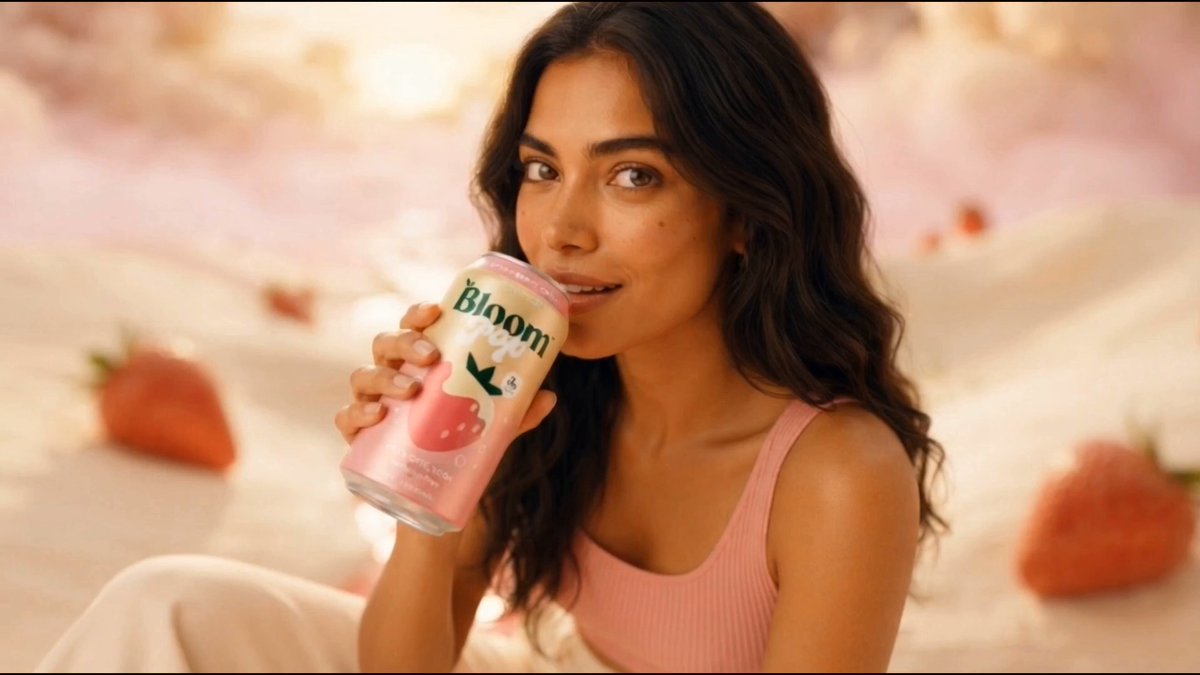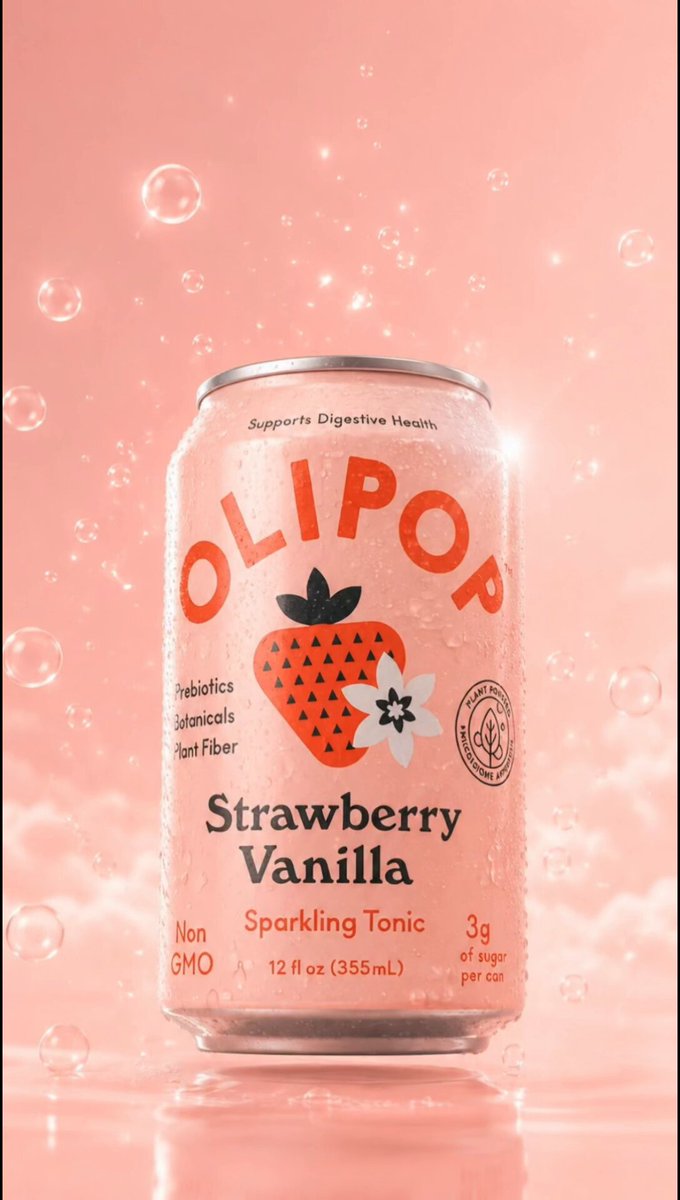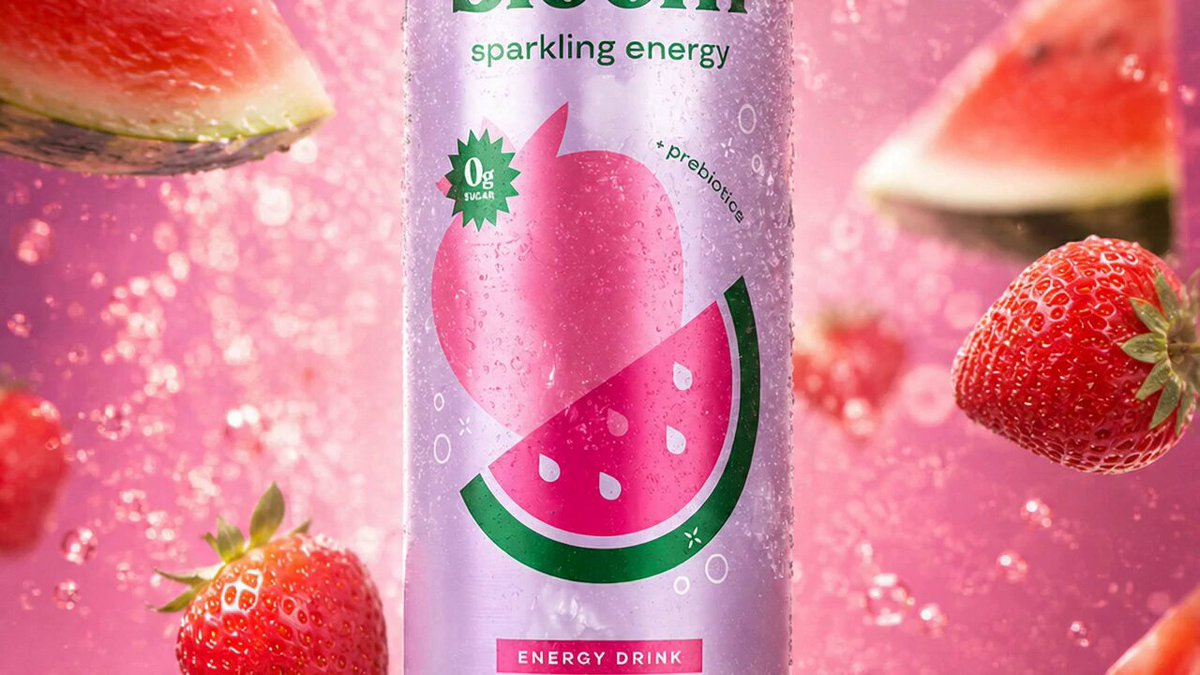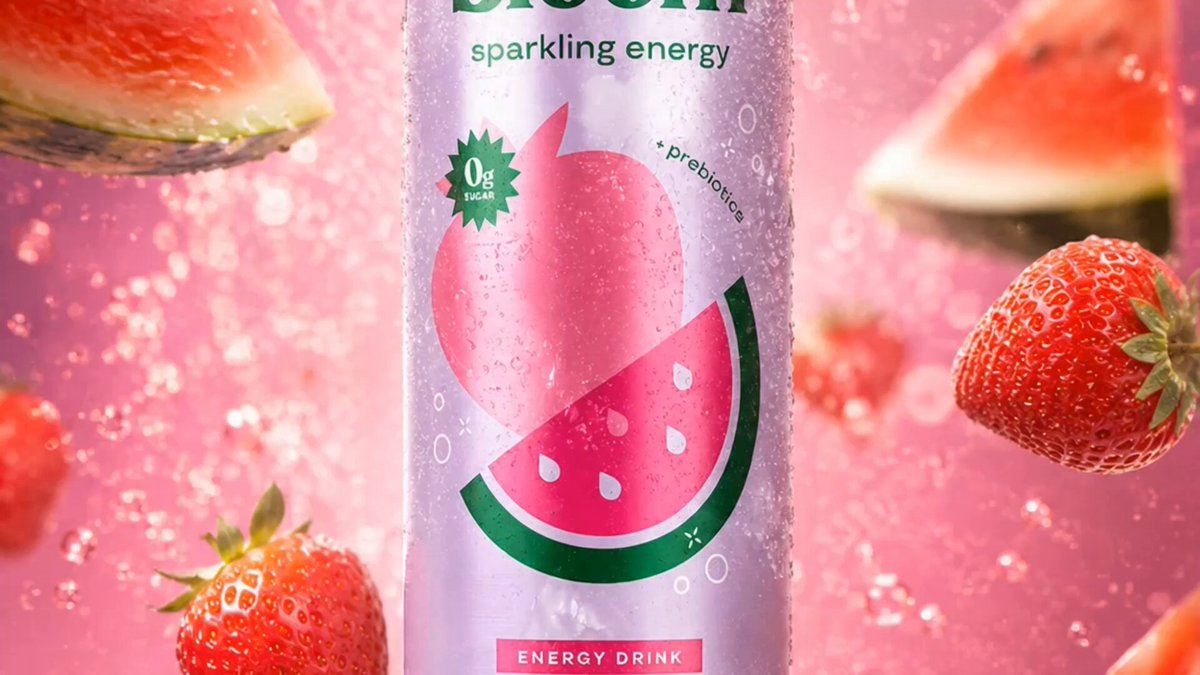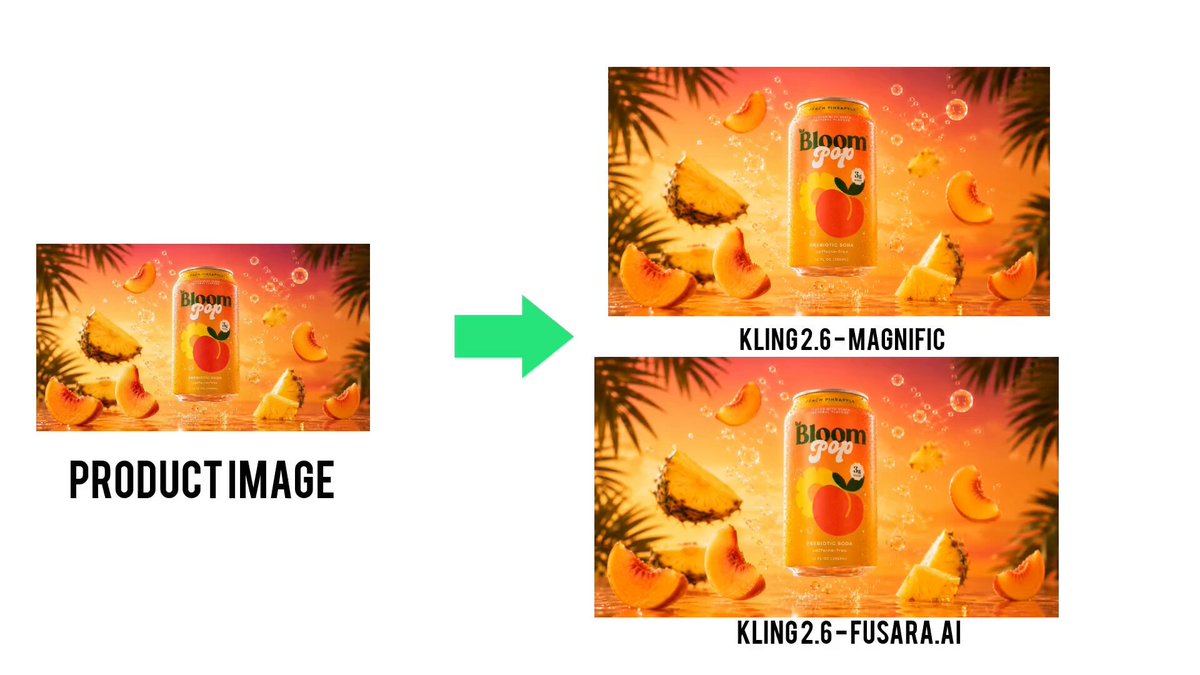

I've been a huge Magnific fan for a long time. So this result genuinely surprised & disappointed me at the same time. I tested the exact same image-to-video prompt using Kling 2.6 in both @magnific and fusara.ai Same image. Same prompt. Same model. The prompt: "Luxury beverage advertisement. The Bloom Pop Peach Pineapple can remains perfectly centered while slowly rotating 360 degrees. The camera performs a smooth orbital movement around the can. Peach slices and pineapple chunks float elegantly through the scene creating beautiful parallax. Carbonation bubbles continuously rise around the product. Condensation droplets slide realistically down the aluminum surface. The reflective soda floor creates shimmering highlights. Warm sunset lighting moves subtly across the can, emphasizing the logo and fruit artwork. Premium luxury beverage commercial, smooth motion, realistic physics, hyper detailed textures, cinematic depth of field, high-end CPG campaign." Inside Magnific: • Product consistency drifted • Camera angles weren't always accurate • Motion interpretation varied • Took multiple generations to get close - credits wasted Inside fusara.ai : • First generation was spot on • Product consistency stayed intact • Camera movement matched the brief • Motion felt intentional and premium • The can remained the hero throughout What surprised me most wasn't quality. It was accuracy. Because for product advertising, creativity matters. But Product consistency matters more. When a client pays for a product commercial, they want the product to look like the product. Not a creative interpretation of it. Same image. Same prompt. Same Kling 2.6. Completely different experience. For product advertising workflows, fusara.ai won this test for me. (Results below 👇)
Side-by-side comparison of one product image animated by Kling 2.6 on two platforms.
- 516 views
- 5 likes
- 1 reposts
- 7 replies
- 1 bookmarks
This video is Kanishkha AI | Creative AI Director’s work, shown from their public post. See it on X.